WhatsApp is one of the most popular messaging platforms globally, providing users with the ability to communicate with friends and family seamlessly. However, many users often wonder about the differences between the WhatsApp web and mobile app. In this article, we will break down these differences comprehensively, helping you to understand which platform may suit your needs best.
User Interface Variations
Mobile App Design
Compact Layout: The mobile app features a compact and user-friendly layout designed for smaller screens. This design allows for easy navigation and access to chat messages.
Touch Interactions: The mobile interface is tailored for touch gestures, making it simple to swipe between chats and access features quickly.
Web Interface Design
Expanded Workspace: The web version provides a larger workspace, making it easier to view ongoing conversations and media within a single window.
Mouse Navigation: Unlike mobile, the web version relies on mouse navigation, allowing for more precise interactions, especially for copying text or managing files.
Functionality Differences
Group Chat Features
Mobile App Control: In the mobile app, you can easily create, manage, and customize your group chats. Admins have direct options to control group settings within the chat interface.
Web Access to Groups: While you can participate in and access groups on the web, some administrative functions may be limited compared to the mobile app.
Voice and Video Calls
App Call Capabilities: The mobile app allows for high-quality voice and video calls, utilizing your phone’s microphone and camera capabilities seamlessly.
Web Calling Limitations: As of now, WhatsApp Web does not support voice and video calling features, limiting real-time communication to text messages and media sharing.
Notifications Management
Mobile App Notifications
Push Notifications: The mobile app sends instant push notifications to keep you updated on all messages, even when the app is closed.
Customizable Alerts: Users can customize notification sounds and visual settings tailored to their preferences, giving them control over their alert experience.
Web Notifications
Browser Notifications: The web version utilizes browser notifications, which may require additional permissions and settings adjustment to ensure you don’t miss important messages.
Limited Customization: Notification settings on the web are less flexible than the app, offering fewer options for user personalization.
Accessibility and Device Versatility
Mobile Access
Always Available: The mobile app is always accessible as long as you have internet connectivity, allowing users to chat on the go.
Battery Dependency: Keep in mind that battery life affects mobile app performance; extended usage might drain your phone’s battery.
Web Accessibility
Dependence on Phone: The web version requires your phone to be connected to the internet to sync messages, limiting standalone usage.
Cross-Device Functionality: WhatsApp Web allows users to easily switch between devices, facilitating a cross-device experience without the need for multiple logins.
Security Features
Mobile App Security
End-to-End Encryption: The mobile app offers robust end-to-end encryption for all messages and calls, ensuring privacy and security.
Fingerprint and Face ID Protection: Users can add an extra layer of security using biometric authentication features to secure their app access.
Web Security
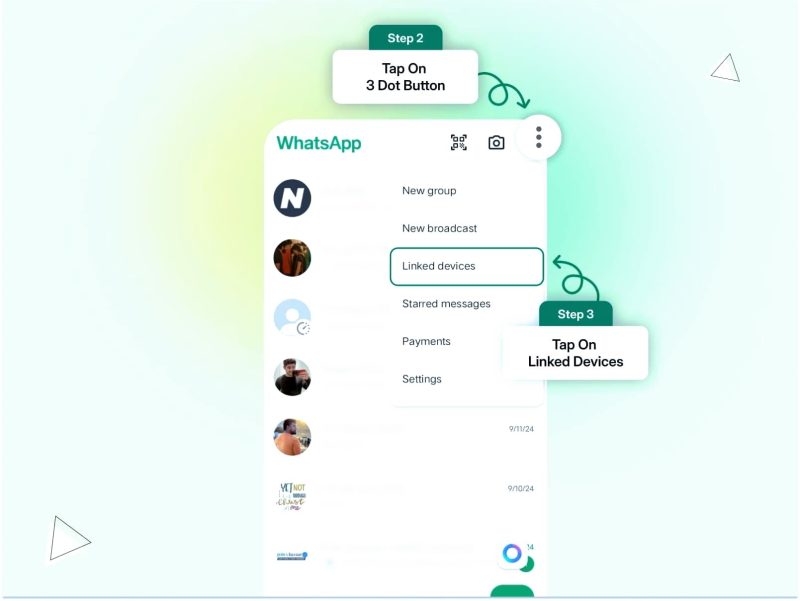
QR Code Login: The WhatsApp Web utilizes a QR code for login, requiring you to scan the code from your mobile app for security verification.
Vulnerability Risks: While security remains strong, users must be aware of potential risks when using public computers to access WhatsApp Web.
Frequently Asked Questions
Can I use WhatsApp Web without my phone being connected?
No, WhatsApp Web requires your phone to stay connected to the internet to function.
Are voice and video calls available on WhatsApp Web?
Currently, WhatsApp Web does not support voice and video calling features.

Can I customize notifications on WhatsApp Web?
Mobile App Design
Enjoy a user-friendly layout optimized for navigation and touch interactions.
Web Interface Design
Experience a larger workspace, perfect for viewing conversations on desktop.
Voice & Video Calls
Utilize high-quality voice and video calls available exclusively on the mobile app.
Notifications Management
Receive customizable alert options on the mobile app for instant updates.
Enhanced Security
Enjoy robust end-to-end encryption to ensure your conversations remain private.
Device Versatility
Switch seamlessly between mobile and web platforms for flexible communication.
The web version offers limited notification customization compared to the mobile app options.
In conclusion, understanding the differences between WhatsApp web and the mobile app can greatly enhance your messaging experience. Choose the platform that best fits your lifestyle and needs for seamless communication!
To enhance your WhatsApp experience, choose the mobile app for on-the-go communication and the web version for a larger interface, making it easier to manage multiple chats simultaneously.