Ensuring your safety while using WhatsApp Web is vital in today’s digital landscape. This guide will thoroughly outline various strategies and practices, addressing the security concerns associated with using WhatsApp on your browser. By the end of this article, you’ll have a comprehensive understanding of how to use WhatsApp Web safely.
Protecting Your Account from Unauthorized Access
Using WhatsApp Web can expose you to risks if your account isn’t adequately protected. Follow these actionable ways to safeguard against unauthorized access.
Enable Two-Step Verification
Why? Enabling two-step verification adds an extra layer of security to your WhatsApp account.
Set Up Verification:
Open WhatsApp: Go to the app on your mobile device.
Access Settings: Tap on the three dots in the top right corner, then select ‘Settings’.
Two-Step Verification
Add an extra layer of security to protect your account effectively.
Secure Logout
Always log out after use to prevent unauthorized access.
Device Security
Install antivirus software and secure your network to enhance safety.
Link Caution
Verify links before clicking to avoid phishing scams.
Activity Monitoring
Review read receipts and linked devices to detect unusual activity.
FAQs
Get answers to common questions about WhatsApp Web security.
Select Account: Click on ‘Account’ and then tap ‘Two-step verification’.
Always enable two-step verification for your WhatsApp account to enhance security. This simple step makes it difficult for unauthorized users to access your chats.
Enter a PIN: Choose a six-digit PIN that you will remember.
Confirm Your Email:
Provide an Email Address: You’ll be prompted to enter an email address for recovery.
Verify Email: Check your inbox for a verification email and confirm the address.
Backup: Ensure you keep your PIN private and remember it for future access.
Log Out After Use
Why? Logging out prevents anyone from accessing your chats when you leave your computer.
End Session on the Computer:
Open WhatsApp Web: Click on the three vertical dots in the app interface.
Select Log Out: Confirm to end your session.
Close Browser Window:
Ensure Complete Logout: Keep your web browser securely closed after logging out.
Clear Browser History: For added security, consider clearing your browsing data regularly.
Disable “Stay Logged In”: Make sure your browser isn’t set to remember passwords for WhatsApp.
Secure Your Device
Using WhatsApp Web on a secure device is crucial for maintaining privacy and security.
Install Antivirus Software
Why? Antivirus software safeguards your device from malware that can compromise your account.
Choose a Reliable Product:
Research Software Options: Look for reputable antivirus solutions.
Compare Features: Ensure the selected antivirus offers real-time protection and regular updates.
Regular Scanning:
Schedule Automatic Scans: Set your software to perform regular scans at times convenient for you.
Update Daily: Always keep your antivirus applications updated to protect against the latest threats.
Use a Secure Network
Why? Shared or unsecured networks are major vulnerabilities.
Avoid Public Wi-Fi:
Use VPN: Consider using a VPN when connecting to public networks for added security.
Check Network Security: If using a public Wi-Fi, ensure the network is secured with a password.
Firewall Configuration:
Enable Firewalls: Ensure your computer’s firewall is active to block unauthorized access.
Network Settings Check: Regularly monitor your network settings for any unusual activity or unauthorized access.
Be Cautious with Links and Downloads
While browsing your chats, exercise caution with links and downloaded files.
Verify Links Before Clicking
Why? Phishing schemes often use links to compromise accounts.
Hover Over Links:
Check URL: Before clicking, hover your mouse over the link to see its destination.
Avoid Suspicious Links: If it looks odd or unfamiliar, don’t click it.
Use Link Checkers:
Employ Online Tools: Utilize online URL scanners to analyze links before interacting with them.
Verify with Contacts: If a link was sent by a contact, confirm with the sender to ensure it’s safe.
Be Careful with Downloads
Why? Downloading files from unverified sources can introduce harmful malware.
Check File Extensions:
Examine Files: Be wary of downloading executable files (like .exe) from unknown sources.
Scan Before Opening: Use antivirus software to scan any files you download before opening them.
Limit Auto Downloads:
Adjust Settings: In WhatsApp Web settings, adjust your download settings to avoid auto-downloading media.
Review Downloads Regularly: Periodically check your download folder for any unfamiliar files.
Monitor Account Activity
Keeping tabs on your account can quickly alert you to unauthorized access attempts.
Review Read Receipts
Why? Understanding who read your messages can signal access by unwanted visitors.
Enable Read Receipts:
Seen/Read Indicators: Make sure to have your read receipts on to track when your messages are read.
Contact Notifications: If read receipts come from unexpected users, investigate further.
Check Last Seen Status:
Track Activity: Regularly check the last seen status of important contacts for any anomalies.
Message Notification Checks: Be mindful if messages are viewed without your knowledge.
Log Out of Other Devices
Why? Logging out from unrecognized devices can help secure your account.
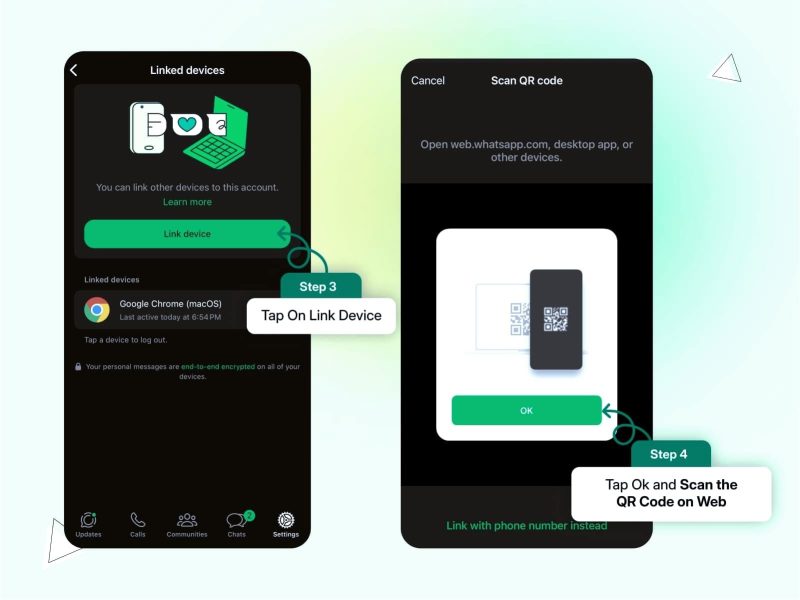
Check Linked Devices:
Open WhatsApp Web: Click on “Linked Devices” to view all devices that are currently linked to your account.
Unlink Unknown Devices: Remove any devices you do not recognize immediately.
Notify Contacts:
Inform Important Contacts: If you suspect unauthorized access, notify close contacts to stay vigilant about unusual messaging.
Common Questions
Is WhatsApp Web as Secure as the App?
While WhatsApp Web incorporates strong security measures similar to the app, it is advisable to follow best practices for its safe use. Always log out after use, and avoid using it on shared or public devices.
What to do if I suspect my WhatsApp is hacked?
If you believe your account has been compromised, immediately log out of all devices and enable two-step verification. Change your account settings and notify your contacts to disregard any suspicious messages.
Can I use WhatsApp Web without my phone?
No, WhatsApp Web requires your phone to remain connected to the internet to access messages. Ensure your phone stays on and connected to maintain access on your web session.
In conclusion, the security of your WhatsApp Web use rests in your hands. By following these strategies, you can minimize risks and enjoy safe, seamless communication. Always stay informed about potential threats and continuously improve your security habits for a safer experience.