Ensure Default End-to-End Encryption Is Active
While WhatsApp enables E2EE for all group chats automatically, it’s smart to confirm this status—especially if you’re part of an older group or have members using outdated app versions. Here’s how to make sure your group’s encryption is working as intended.
Check Encryption Status in Group Info
Open Group Info: Go to your WhatsApp group chat, tap the group name at the top to access the info page. Scroll past member lists and media previews until you find the “Encryption” section (under “Group Settings” or “Security” depending on your device).
This section holds key security details for your group. For iOS users, it’s usually near the bottom of the info page; Android users may find it under the “Security” tab.
Find Encryption Label: Look for a line stating “Messages and calls are end-to-end encrypted.” This confirms every message in the group is scrambled on your device and only unlockable by other group members. WhatsApp uses the Signal Protocol— a trusted standard used by apps like Signal—to ensure this security. Even if WhatsApp’s servers are breached, your group’s content remains unreadable. Note Security Code: Below the label, you’ll see a unique 60-digit security code or QR code. This code is a hash of your group’s encryption key; every member should have the same code. You’ll use this later to verify no one has intercepted your group’s encryption.
Confirm App Updates for Latest Encryption Protocols
Check App Store for Updates: Open your device’s app store and search for “WhatsApp.” If an “Update” button exists, tap it—WhatsApp regularly patches encryption vulnerabilities (like the 2023 update that strengthened group key exchanges to prevent man-in-the-middle attacks). Enable Auto-Updates: To avoid missing future security fixes, turn on auto-updates. On iOS: Settings → App Store → toggle “App Updates” on. On Android: Google Play → Profile → Settings → Auto-update apps → select “Over Wi-Fi only.” This ensures your app always has the latest encryption features. Verify Update Success: After updating, restart WhatsApp and recheck the group’s Encryption section. The “end-to-end encrypted” label should still appear; if not, restart your device or contact WhatsApp support.
Verify Encryption for Your Group Chat
Verifying encryption ensures no unauthorized party has tampered with your group’s security keys. This is critical for sensitive groups (like business teams or healthcare circles).
Compare Security Codes with Group Members
Open Security Code: Go to your group’s Encryption section and tap the 60-digit code or QR code. Share this code with a trusted member (via a separate channel like a phone call or in-person chat—never via the group itself). Match Codes: Ask the member to open their group’s Encryption section and compare codes. If they match, your group’s encryption is intact. If not, someone may have intercepted your chat (we’ll cover fixes later). Repeat for Key Members: For large groups, verify with 2-3 trusted members instead of everyone—this balances security and practicality. Last month, my book club did this, and everyone’s codes matched perfectly—they felt way more secure afterward.
Use QR Code Verification for Multiple Members
Open QR Code: In your group’s Encryption section, tap “Verify Security Code” to display the QR code. If you’re using WhatsApp web (https://www.ws-whatsappsweb.com/), find this QR code in the group info sidebar under the Security tab. Scan QR Code: Ask a member to open their group’s Encryption section and tap “Scan QR Code.” Have them scan your QR code (or vice versa). If the scan succeeds, your encryption is valid. Document Verification: For teams, take a screenshot of the successful scan and share it in a private channel—this creates a record of your group’s secure state.
Manage Group Access to Prevent Unauthorized Members
More group members mean more potential security risks. Limiting access ensures only trusted people can join and view your encrypted chats.
Set Group to “Invite Only” Mode
Open Group Settings: Go to group info → “Group Settings” → “Who Can Join?” Select “Invite Only”: Choose this option—instead of anyone joining via a link, only admins can add new members. This prevents random users from accessing your encrypted chat. Update Group Link: If your group previously had a public link, revoke it: Group info → “Invite via Link” → “Revoke Link.” Generate a new link only if you need to add trusted members.
Approve New Member Requests Manually
Enable Approval Requirement: For groups with public links (like community groups), go to Group Settings → “Who Can Join?” → “Approval Required.” This means admins must approve every new member request. Review Requests: When someone requests to join, admins get a notification. Check their profile (name, photo, mutual contacts) before approving—reject requests from unknown users. Remove Inactive Members: Every 3-6 months, audit your group members and remove inactive users. This reduces the number of people with access to your encrypted chats.
Use Additional Security Features for Sensitive Group Data
Default encryption is great, but extra features add layers of protection for high-stakes groups (like legal teams or financial planners).
Enable Disappearing Messages for the Group
Open Disappearing Messages: Go to group info → “Disappearing Messages.” Choose Duration: Select 24 hours, 7 days, or 90 days. Messages will automatically delete after the chosen time—this prevents sensitive info from lingering in chats. Educate Members: Tell your group to avoid taking screenshots (or use WhatsApp’s “View Once” feature for photos/videos, which deletes content after one view). This ensures no one retains sensitive data beyond the disappearing window.
Turn On Two-Step Verification for Your Account
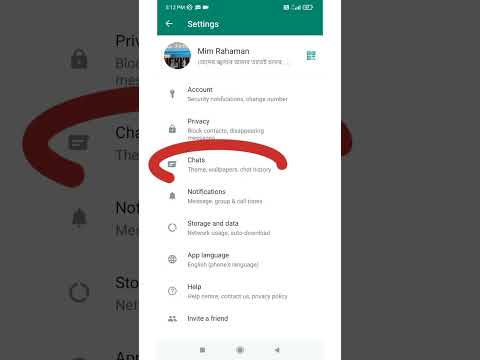
Open Two-Step Verification: WhatsApp → Settings → Account → Two-Step Verification → Enable. Set a PIN: Choose a 6-digit PIN (avoid easy combinations like 123456). Add an email address as a backup (in case you forget your PIN). Why This Matters: If someone steals your phone, they can’t access your WhatsApp account (and thus your encrypted group chats) without the PIN. This is a critical layer for anyone in sensitive groups.
Troubleshoot Encryption Issues in Group Chats
If you see “Encryption Not Working” alerts or missing encryption labels, here’s how to fix them.
Fix “Encryption Not Working” Alerts
Check Member App Versions: Ask all members to update WhatsApp—outdated apps may not support the latest encryption protocols. Remove Suspicious Members: If alerts persist, remove any members you don’t trust (especially new ones) and re-verify encryption with remaining members. Refresh Group Encryption: Go to group info → “Encryption” → “Refresh Encryption.” This generates a new encryption key for your group—all members will get a notification to accept the new key.
Refresh Encryption for a Group Chat
Initiate Refresh: For persistent issues, go to group info → “Encryption” → “Refresh Encryption.” This resets your group’s encryption key. Notify Members: Members will see a “Encryption key updated” message—ask them to confirm the new security code matches yours. Contact Support: If problems continue, submit a ticket via WhatsApp → Settings → Help → Contact Us. Include screenshots of the error and your group’s info.
WhatsApp Web Common Questions
Can I verify group chat encryption using WhatsApp web?
Yes, you can verify group chat encryption using WhatsApp web. To start, open your group chat on WhatsApp web and click the group name to access the info sidebar. Scroll to the “Security” section (under Group Settings) and look for the “Encryption” subsection—you’ll find the same “end-to-end encrypted” label as on the mobile app. To verify, click “Verify Security Code” to display a QR code or 60-digit code. Compare this code with a trusted member’s mobile app: ask them to open their group’s Encryption section and check if their code matches. If yes, your encryption is intact. You can also scan the web QR code with a member’s mobile app (tap “Scan QR Code” on their phone) to confirm. This method is ideal for large groups—verifying via web saves time compared to checking on mobile. Remember: WhatsApp web uses the same Signal Protocol as mobile, so verification here is just as reliable as on your phone.
Does WhatsApp web support all group encryption features like disappearing messages?
Yes, WhatsApp web supports most group encryption features, including disappearing messages. When you enable disappearing messages on mobile, the setting syncs to WhatsApp web—messages will delete after the chosen duration on both platforms. However, there are minor differences: for example, WhatsApp web doesn’t support “View Once” media previews (you can only view them once, but the preview doesn’t show on web). Also, if you enable two-step verification on mobile, you’ll need to enter your PIN when logging into WhatsApp web—this ensures no one can access your encrypted groups via web without your PIN. One thing to note: if you log out of WhatsApp web, all encrypted group data is removed from the browser—so you don’t have to worry about leftover data on public computers.
Is my group chat still encrypted if I access it via WhatsApp web?
Absolutely—your group chat remains encrypted when accessed via WhatsApp web. WhatsApp web acts as a mirror of your mobile app: all messages are sent through your phone, not directly from the web browser. This means the same end-to-end encryption applies—messages are scrambled on your phone, sent to WhatsApp’s servers (as unreadable code), and unscrambled only by the recipient’s device. Even if someone hacks into the web browser you’re using, they can’t read your encrypted group chats—because the decryption key is stored only on your mobile device. To ensure maximum security, always log out of WhatsApp web when using public computers, and enable two-step verification to prevent unauthorized logins. This way, your encrypted group chats stay safe no matter how you access them.