
Make WhatsApp Web Access Faster from Your Desktop
Let’s start with the easiest ways to create shortcuts—using tools you already have: your browser and your operating system.
Use Your Browser’s Built-in Features
Most modern browsers (Chrome, Firefox, Edge) let you create desktop shortcuts for websites with just a few clicks. Here’s how to do it for the two most popular browsers:
For Chrome:
For Firefox:
Create an OS-Level Shortcut
If you prefer not to use your browser’s features, you can create a shortcut directly from your operating system (Windows or Mac).
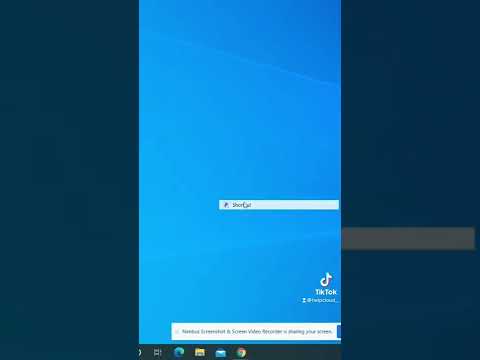
For Windows:
For Mac:
WhatsApp Web Common Questions Answered
Let’s tackle some of the most common questions people ask about WhatsApp Web desktop shortcuts.
Why does my WhatsApp Web desktop shortcut keep asking for a QR code every time?
Oh, I get this question all the time—so annoying, right? The main reason your shortcut asks for a QR code each time is probably because your browser isn’t saving the session cookies for WhatsApp Web. Let’s break it down: When you log into WhatsApp Web via a shortcut, it uses the browser (or the app mode) to connect. If your browser’s privacy settings are set to clear cookies when you close it, then every time you open the shortcut, it forgets you were logged in. Another reason could be that you’re using incognito mode for the shortcut—incognito doesn’t save any data, so it’ll always ask for QR. Also, if you’ve recently logged out from your phone (like switching devices or logging out remotely), the shortcut will need re-authentication. To fix this: First, check your browser’s cookie settings—make sure you’re not clearing cookies for WhatsApp Web. For Chrome, go to Settings > Privacy and security > Site Settings > Cookies and site data, then look for WhatsApp Web (or the linked site if you used that) and allow cookies. If you’re using the app mode (from Chrome’s install feature), make sure you didn’t log out from the app. Also, avoid using incognito for the shortcut. I’ve had this issue before—fixed it by adjusting cookie settings, and now it remembers me for weeks!
Can I make the WhatsApp Web shortcut open in a standalone window?
Absolutely! In fact, this is my favorite way to use WhatsApp Web—feels like a real app instead of a browser tab. Let’s see how: If you used Chrome’s “Install this site as an app” feature (which we talked about earlier), it automatically opens in a standalone window—no browser tabs, no distractions. For Firefox, there’s a trick: When you create a shortcut via Page Actions, check the “Open in new window” option if available, or after creating, right-click the shortcut and select “Properties”, then add “new-window” at the end of the target URL (for Windows). On Mac, if you dragged the URL to desktop, you can right-click the shortcut, select “Open With” then choose “Safari” (or Chrome) and check “Always open with”—but wait, better to use Chrome’s install feature for standalone. Another way: For Windows, when you have WhatsApp Web open in Chrome, click the three dots > More Tools > Create Shortcut, then check “Open as window”—that’s exactly what I do, and it’s perfect. Standalone windows are great because they don’t mix with your other browser tabs, so you can easily switch between apps without getting lost.
How do I fix a broken WhatsApp Web desktop shortcut?
Broken shortcuts are a pain, but fixing them is usually straightforward. Let’s start with the most common issue: The URL in the shortcut is wrong or the site is unreachable. First, right-click the shortcut and select “Properties” (Windows) or “Get Info” (Mac). Check the target URL—if it’s outdated (like an old WhatsApp Web link), change it to the correct one (e.g., https://web.whatsapp.com/). Another reason: The browser you used to create the shortcut is no longer installed (e.g., you uninstalled Chrome but the shortcut was linked to it). To fix this: Change the default browser for the shortcut—right-click, select “Open With” then choose your current browser (like Edge or Firefox) and set it as default. Also, if your internet connection is unstable, the shortcut might seem broken—try opening the URL directly in your browser first to see if it works. For example, if you click the shortcut and it says “Page not found”, open the URL in Chrome to confirm if WhatsApp Web is up. I once had a broken shortcut because I moved my browser to a different folder—fixed it by updating the target path in properties. Another thing to try: Delete the old shortcut and create a new one using the methods we talked about earlier. It’s often faster than troubleshooting the old one!
Another thing to consider: If the shortcut was created using an OS-level method (like Windows New Shortcut), make sure the URL is correct and that your OS has permission to open the browser. Sometimes, security software can block shortcuts from opening external links—so check your antivirus or firewall settings to see if WhatsApp Web is allowed. If all else fails, reach out to the browser’s support team or WhatsApp’s help center for more guidance, but in most cases, the fixes we’ve covered here will work.